

Mold Temperature Controller
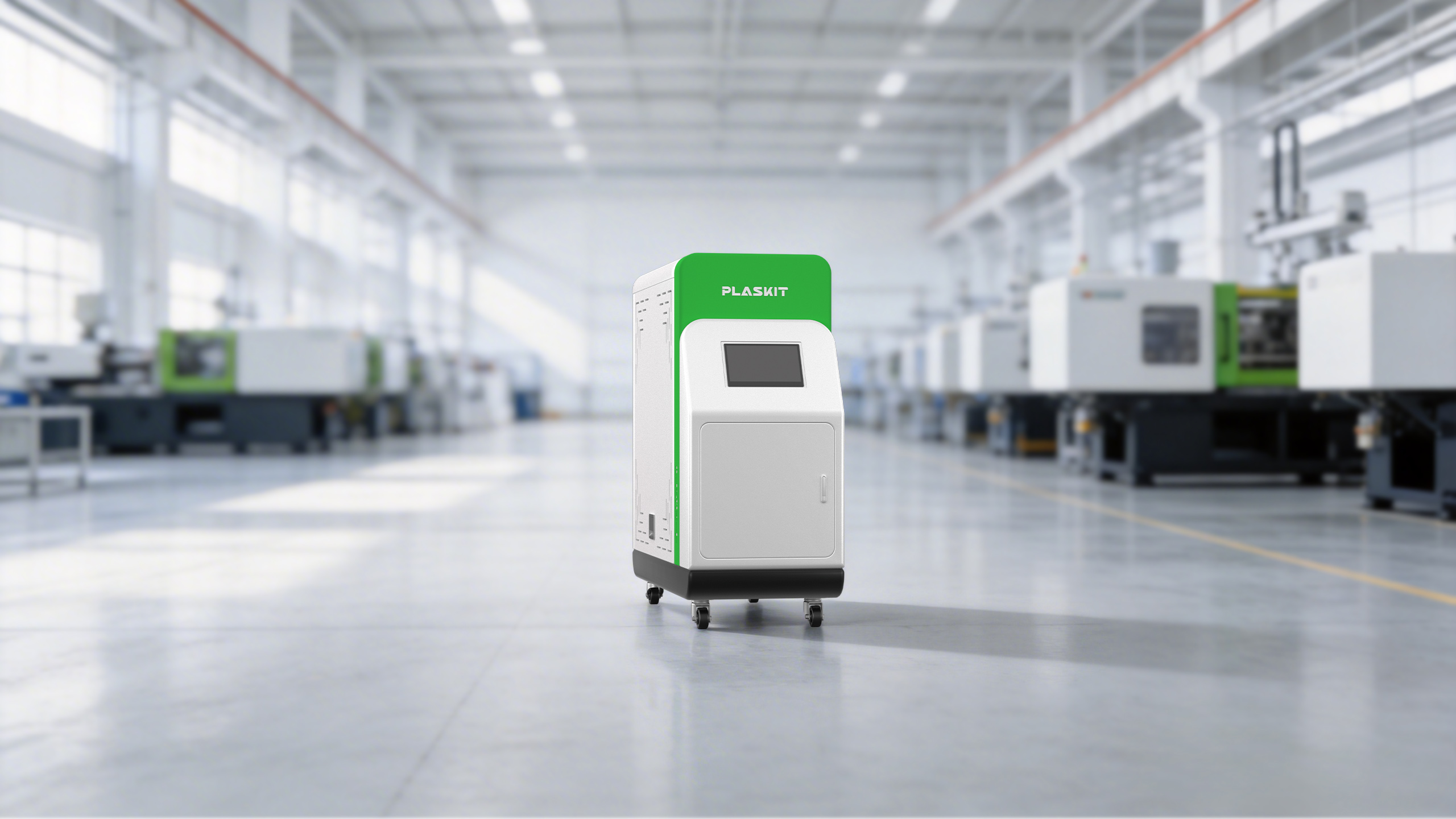
Thisweek, Plaskit introduces the Mold Temperature Controller, an essentialauxiliary machine widely used in plastic processing industries. With stableheating performance and accurate temperature control, it helps improve productquality and production efficiency.
Definition:An industrial device that precisely controls mold temperature through thecirculation of a heat-conducting medium (water or oil).
Functions:
1.Reduces shrinkage, deformation, and other defects, improving surface finish andprecision.
2.Rapid heating and precise temperature control, optimizing molding and coolingtimes.
3. Prevents thermal fatigue damage, effectivelyprotecting the mold equipment.
Core Componets:
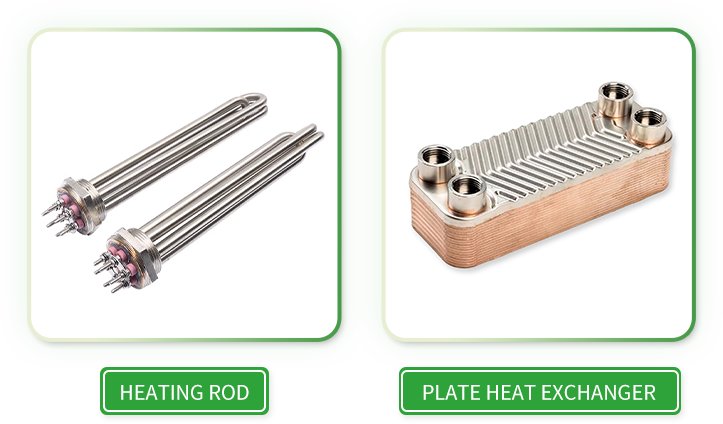
Heating System:
Composed of electric heating tubes, it is responsible for heatingthe heat transfer medium to the set temperature.
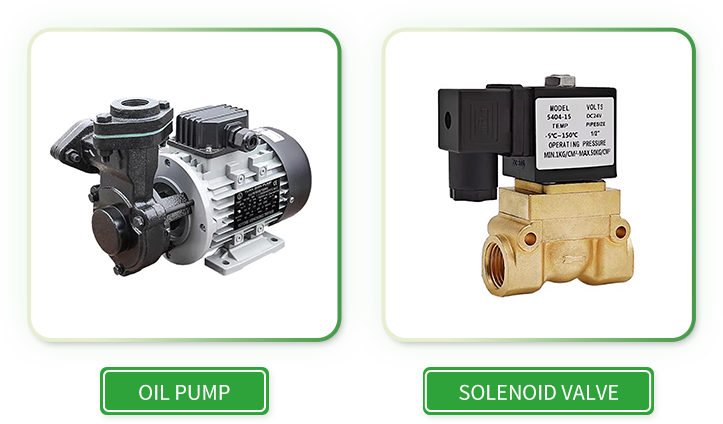
Cooling System:
Includes cooling valves, heat exchangers, etc., to cool the mediumwhen the temperature is too high.
Circulation Pump:
Provides power for the circulation of the heat transfer medium toensure heat transfer efficiency.
Control System:
Centered on a PID control system, it uses sensor feedback toadjust the temperature in real time.
Oil/Water Tank:
Stores the medium,compensates for volume expansion caused by temperature changes, and replenisheslosses.
Safety Protection Devices:
Include over-temperature, pressure, and flow protections, ensuringthe safe operation of the equipment in all aspects.
Applications:
Injectionmolding industry
1. Improved Surface Quality
Eliminates flow marks and weld lines for a high-gloss,flawless surface.
2. Reduced Product Defects
Lowers reject rates caused by sink marks, warpage, airbubbles, and other issues.
3. Enhanced Dimensional Accuracy
Stable mold temperature ensures consistent productdimensions.
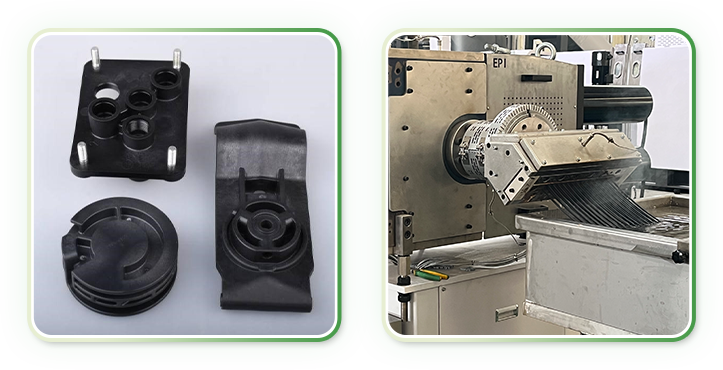
Extrusionindustry
1.Bycontrolling mold temperature, the flow, forming, and cooling of plastics orrubber inside the mold become more stable.
2.Ensuresthe dimensional accuracy and surface quality of finished products, preventingwarping, cracking, and rough surfaces.
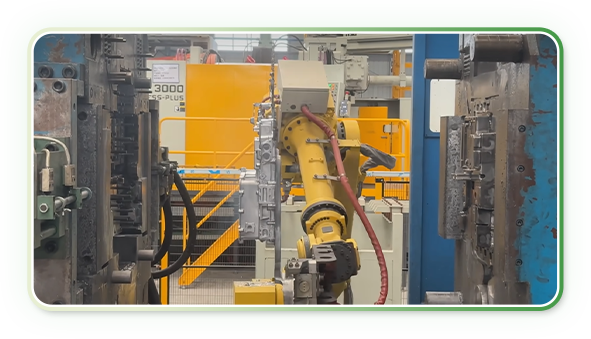
Diecasting industry
1. Improved Casting Quality
Reduces internal defects such as porosity and shrinkage porosity,significantly enhancing casting density and yield rate.
2. Reduced Die Sticking
Precise temperature control prevents molten metal from sticking tothe die, ensuring smooth ejection and lowering the scrap rate.
3. Extended Die Service Life
Prevents thermal fatigue cracking caused by drastic temperaturechanges, greatly extending the service life of the die.